As digital transformation accelerates across industries, businesses are increasingly seeking modern architectures that are scalable, flexible, and cost-efficient. Startups aim to launch products quickly while conserving capital, whereas enterprises need to modernize complex systems without disrupting operations. In this context, MCP—short for Model Context Protocol—has emerged as a powerful framework for building intelligent, modular, and future-ready applications.
Affordable MCP development is rapidly becoming a strategic choice for organizations that want to balance innovation with budget control. By leveraging the principles of the Model Context Protocol, businesses can design systems that evolve seamlessly alongside their needs while maintaining performance, security, and operational efficiency.
What Is Model Context Protocol (MCP)?
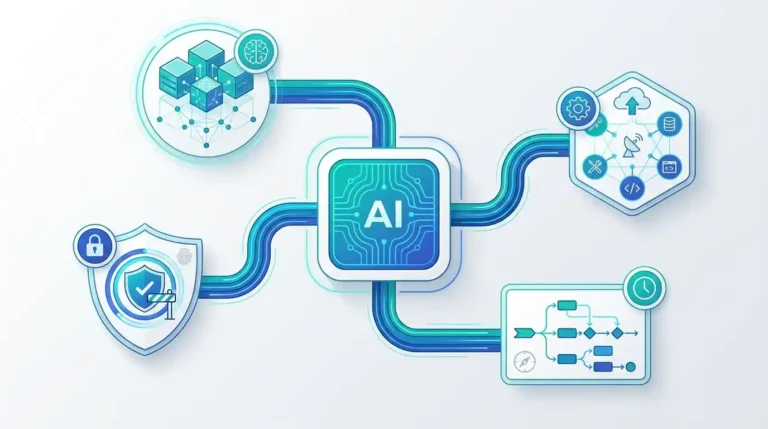
Model Context Protocol (MCP) is a structured approach for managing how systems, applications, and AI-driven components share context, data, and instructions. It enables modular communication between different services, models, and tools in a standardized way. Rather than relying on tightly coupled architectures, MCP promotes flexibility and interoperability.
At its core, MCP allows systems to exchange meaningful context rather than isolated data points. This ensures that applications behave consistently, scale efficiently, and integrate smoothly with external services or intelligent models. MCP is particularly valuable in environments that rely on AI, automation, and distributed systems.
Why MCP Development Matters for Startups
Startups operate under unique constraints. Limited funding, small teams, and aggressive timelines demand technology choices that deliver maximum impact with minimal waste. Affordable MCP development supports startups by offering a structured yet flexible foundation.
Lower Initial Development Costs
Instead of building complex, monolithic systems upfront, startups can use MCP to focus on essential components first. Additional features and integrations can be added later without reworking the entire architecture.
Faster Product Launches
MCP enables modular development, allowing teams to work on separate components in parallel. This reduces development time and helps startups bring products to market faster.
Built-In Scalability
As user demand grows, MCP-based systems can scale individual components rather than the entire platform. This targeted scaling approach keeps infrastructure costs under control.
AI-Ready Architecture
For startups leveraging artificial intelligence, MCP provides a standardized way to manage prompts, context, and model interactions, making AI features easier to implement and maintain.
How Enterprises Benefit from MCP Development
While startups focus on speed and affordability, enterprises prioritize stability, security, and long-term value. MCP development addresses these needs without requiring costly system overhauls.
Modernizing Legacy Systems
Many enterprises rely on legacy software that cannot be replaced overnight. MCP allows new modules and intelligent services to integrate with existing systems gradually, reducing risk and downtime.
Improved System Interoperability
Enterprises often use multiple platforms and tools across departments. MCP standardizes how these systems share context, improving consistency and reducing integration complexity.
Cost Optimization Over Time
By updating or replacing individual modules instead of entire systems, enterprises significantly reduce long-term maintenance and upgrade costs.
Enhanced Governance and Security
MCP supports structured context management, which helps enterprises enforce data access rules, compliance standards, and security policies more effectively.
Key Features of Affordable MCP Development
Affordable MCP development does not compromise quality. Instead, it focuses on efficient design and long-term sustainability. Key features include:
- Modular Architecture: Independent components that can evolve without disrupting the entire system
- Context-Aware Communication: Systems exchange meaningful context, improving accuracy and consistency
- Flexibility: Easy integration with new tools, APIs, and AI models
- Maintainability: Simplified debugging and updates reduce operational overhead
- Performance Optimization: Efficient context handling improves response times and system reliability
- Security Controls: Context-based access management enhances data protection
These features make MCP particularly suitable for businesses that expect continuous growth and change.
Affordable MCP Development for AI-Driven Applications
One of the most significant advantages of Model Context Protocol is its alignment with AI-powered solutions. As organizations increasingly adopt AI for automation, analytics, and customer engagement, MCP provides a reliable structure for managing model interactions.
By clearly defining how context is passed between models and applications, MCP reduces errors, improves model performance, and simplifies updates. Businesses investing in MCP Development Services can build AI-enabled systems that are easier to scale and more cost-effective to maintain.
Choosing the Right MCP Development Partner
Affordability depends not only on technology but also on execution. Selecting the right development partner plays a critical role in the success of an MCP-based project.
Proven MCP Expertise
Look for a team with hands-on experience in Model Context Protocol architectures, modular systems, and AI integrations.
Transparent Cost Structure
A reliable partner provides clear pricing models, helping businesses plan budgets without unexpected expenses.
Customization and Flexibility
Every organization has unique requirements. A good partner tailors MCP solutions to your business goals rather than offering one-size-fits-all implementations.
Ongoing Support
MCP systems evolve over time. Continuous support ensures smooth upgrades, performance optimization, and security compliance.
Partnering with a trusted provider of MCP Development Services ensures that both startups and enterprises achieve high-quality results while staying within budget.
Industry Applications of MCP Development
Affordable MCP development is being adopted across multiple industries due to its versatility and efficiency:
- Technology & SaaS: Scalable platforms with rapid feature deployment
- Finance: Secure, context-aware transaction and compliance systems
- Healthcare: Modular patient data management with strict access control
- E-commerce: Personalized user experiences driven by shared context
- Logistics: Real-time coordination between distributed systems
In each industry, MCP helps organizations reduce complexity while improving system intelligence and responsiveness.
Future-Proofing Business Systems with MCP
Technology landscapes change rapidly. Businesses that rely on rigid architectures often struggle to adapt to new tools and market demands. MCP provides a future-proof foundation by enabling gradual evolution rather than disruptive change.
With MCP, organizations can integrate emerging technologies such as advanced analytics, automation platforms, and new AI models without redesigning their entire systems. Investing in MCP Development Services today helps ensure long-term adaptability and competitiveness.
AI – Powered Products. Measurable Impact.
Conclusion
Affordable MCP development based on the Model Context Protocol offers a powerful solution for startups and enterprises seeking scalable, flexible, and cost-effective digital systems. By focusing on modular design and context-aware communication, MCP reduces development costs while enhancing performance and reliability.
Whether launching a new product or modernizing enterprise infrastructure, MCP provides the structure needed to support growth and innovation. With the right strategy and development partner, businesses can unlock long-term value through well-executed MCP solutions.
FAQs
Q1. What does MCP stand for in software development?
MCP stands for Model Context Protocol, a framework for managing structured context between systems and models.
Q2. Is MCP suitable for startups with limited budgets?
Yes, MCP supports incremental development, helping startups control costs while scaling efficiently.
Q3. Can MCP integrate with existing enterprise systems?
Absolutely. MCP is designed to work alongside legacy and third-party systems.
Q4. How does MCP support AI-driven applications?
MCP standardizes how context is shared with AI models, improving accuracy and maintainability.
Q5. Are MCP-based systems scalable for large enterprises?
Yes, MCP enables modular scaling, making it ideal for complex, enterprise-level environments.
Discover more from Diginatives
Subscribe to get the latest posts sent to your email.