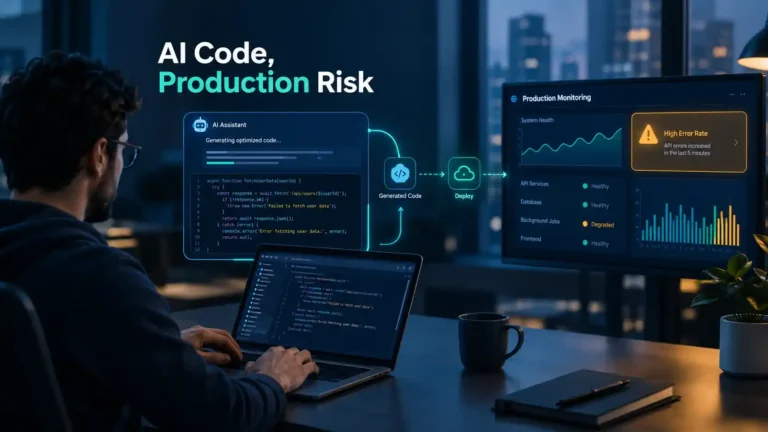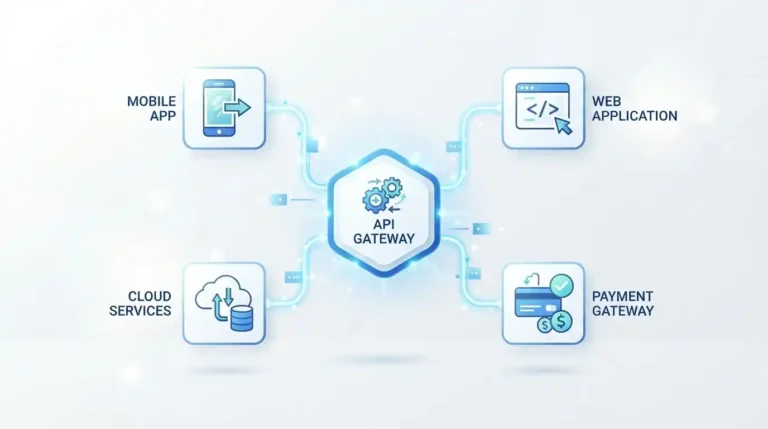
Modern applications are rarely standalone systems. They typically interact with mobile apps, websites, cloud services, payments, enterprise systems, and external partners via APIs. This level of connectivity makes applications exponentially more powerful and useful to end-users. It also creates additional surfaces that need to be secured.
A poorly protected endpoint can lead to the exposure of customer data, abuse of critical functions, and compromises of connected services. The danger is not always obvious: while the application might behave correctly under standard testing scenarios, its security could be inadequate under closer inspection.The good news is that most recommendations are not complicated or exotic. They primarily focus on understanding and testing authorization logic, limiting the damage from potential breaches, and analyzing production traffic for signs of abuse.
What Is API Security and Why Does It Matter?
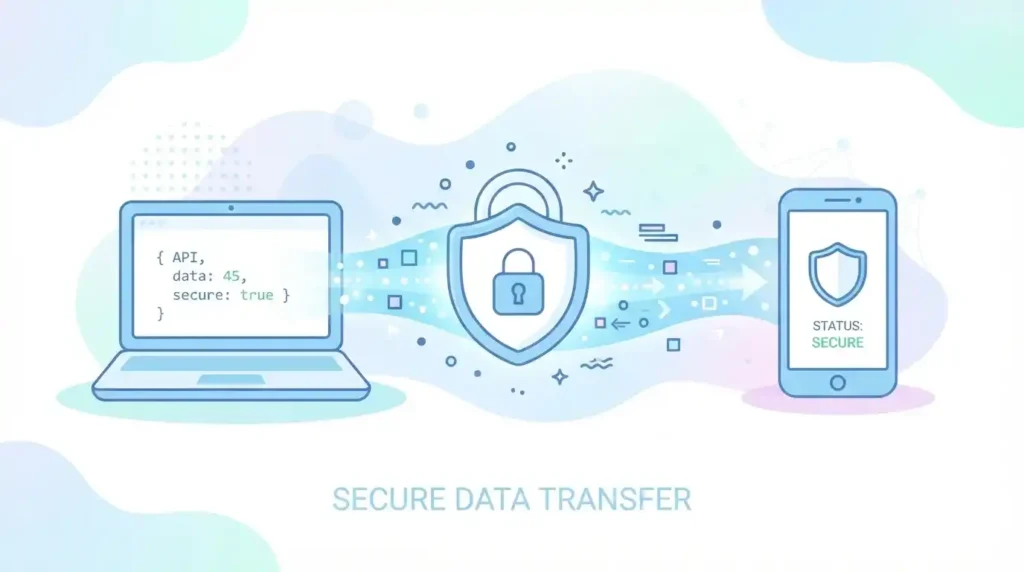
An endpoint typically allows a user or another application to read or modify data or perform an action. A secure API makes it impossible or very difficult for unauthorized users to access sensitive data and endpoints and ensures that authenticated users are not granted more permissions than they should have.For example, if a customer logs in successfully to view their account data, the API must ensure that they can only see their information, not that of other users.
Other security measures include checking the validity of user input, limiting excessive requests, restricting the amount of data returned by endpoints, and analyzing suspicious activity.APIs are becoming ubiquitous in enterprise software. They enable various applications to exchange data and allow businesses to build complete ecosystems of products and services. With this increased level of connectivity and the adoption of cloud-native software, API security has become a critical priority.
Common Weaknesses Teams Need to Watch

Most serious issues stem from seemingly innocuous causes. In many ways, the API security checklist is similar to conventional application penetration testing.
Some of the most common API vulnerabilities include:
Authorization Issues
Ideally, an application should only grant users access to the data and functions they are entitled to. The problem occurs when users can access more information or capabilities than intended.
Weak Authentication
Authentication determines whether a user is who they claim to be. Weak or improperly configured authentication measures can compromise application security. Tokens, sessions, credentials, and related mechanisms must be protected to prevent attackers from impersonating legitimate users.
Excessive Data in Endpoints
From a security perspective, an endpoint response is only as safe as the data it exposes. The information must be validated, and the application should only return the data the user is entitled to receive.
Excessive Requests
Some endpoints pose a higher risk than others. For instance, an application could have a low-effort endpoint that triggers expensive actions on the backend. Attackers can abuse such endpoints to exhaust resources and disrupt services.
Forgotten Endpoints
It is critical to secure all endpoints, even those that appear to be unimportant. For instance, some older interfaces might have been forgotten after newer versions were deployed. The same issue can occur with development environments if they are not properly decommissioned.
What Does the OWASP API Security Top 10 2023 Include?
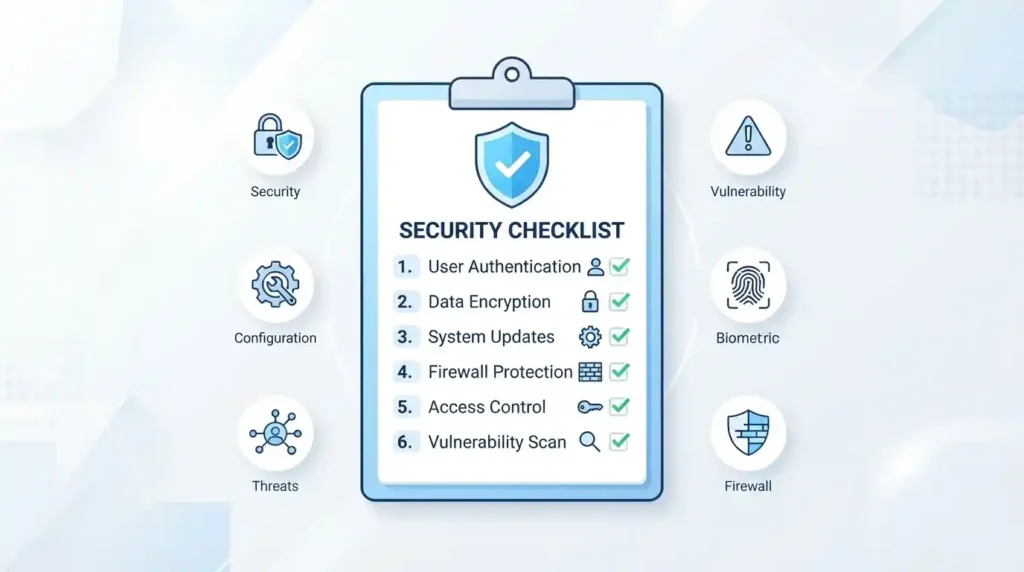
OWASP API Security Top 10 2023 is a valuable reference for developers and security teams because it focuses on the unique requirements of APIs.The standard authorization and authentication issues carry over from conventional web application security. The OWASP API Security Top 10 2023 highlights ten key areas that merit special attention:
- Broken Object Level Authorization
- Broken Authentication
- Broken Object Property Level Authorization
- Unrestricted Resource Consumption
- Broken Function Level Authorization
- Unrestricted Access to Sensitive Business Flows
- Server-Side Request Forgery
- Security Misconfiguration
- Improper Inventory Management
- Unsafe Consumption of APIs
Some of the most pressing concerns include:
Object-Level Authorization Issues
Many APIs allow users to request specific resources using unique identifiers. An application must verify that the user is authorized to access the requested object. The same principle applies to object property-level authorization.
Function-Level Authorization Issues
At the function level, the same logic applies, with the focus on verifying whether the user is entitled to perform a specific action. For instance, a user might be able to access an administrator’s functions if they can guess the correct URL.
Security Misconfiguration
Various misconfiguration issues could compromise an API’s security. Default configurations, overly liberal access controls, verbose error messages, incorrect permissions, and other factors could create weaknesses that attackers can exploit.
Inventory Management Issues
This entry refers to the necessity to maintain an accurate list of all interfaces, their purposes, owners, and other details. If endpoints are deployed without proper tracking, they become much harder to secure.
Unsafe Consumption of APIs
Many applications rely on data provided by other services. If the consuming application trusts the information without performing adequate validation, it could expose itself to attacks. Similarly, developers must be wary of using insecure third-party services.
How Does API Security Testing Find Problems?
At this point, it is worth discussing what API security testing entails. In short, it refers to a process that identifies potential issues by inspecting the behavior of endpoints and related functions.A functional test would typically involve sending HTTP requests and ensuring that the endpoints respond correctly. A security assessment tool would go over similar requests but would also attempt to identify potential weaknesses by interacting with the application in unexpected ways.
Other security testing scenarios include:
- Testing if a request would be processed successfully when sent by a different user?
- Removing authentication credentials to see if they are required to process the request?
- Testing whether a regular user account would be able to access the administrator panel?
- Submitting unexpected or malformed input data?
- Trying to resubmit the same request thousands of times in a short period to overwhelm the server?
Test Business Logic as Well
Many API security tests are automated and rely on checking whether endpoints accept unexpected input data. They might also submit modified requests in an attempt to access unauthorized functions and data.However, such tests only represent a small part of the security assessment, as attackers might not always follow the established patterns. Most automated tools do not account for business logic, so they would not identify issues stemming from incorrect application features.
How to Secure a REST API in Practice
At this point, we have reviewed the most common API security issues and testing techniques. The next logical question is about actual API security best practices. In particular, many organizations ask about securing REST APIs.Unfortunately, there is no silver bullet, as the appropriate measures always depend on the application’s specific requirements. That said, there are several measures that should be implemented in most cases:
Use Strong Authentication
Implementing proper authentication is always a priority, as it secures all other measures. Wherever possible, developers should rely on established solutions, such as OAuth standards, rather than attempt to design custom ones.
Enforce Authorization Logic
Every request that involves sensitive data or actions must be validated according to the user’s permission level. In other words, just being authenticated is never enough, particularly for endpoints that handle financial data, user accounts, and other sensitive information.
Ensure Input Validation
The server must verify that the data provided by the client is valid. This is an important security measure, as it helps prevent code injection and other forms of attacks that could compromise the application.
Comparing Common Approaches to API Protection
| Approach | Main Purpose | Example |
|---|---|---|
| Authentication | Establish identity | Tokens or OAuth |
| Authorization | Control permissions | Role and ownership checks |
| Input validation | Check incoming data | Schema validation |
| Rate limiting | Control request volume | Requests per minute |
| Monitoring | Detect unusual behavior | Activity analysis |
| Security testing | Find weaknesses | Automated and manual tests |
How to Build a Stronger Protection Strategy

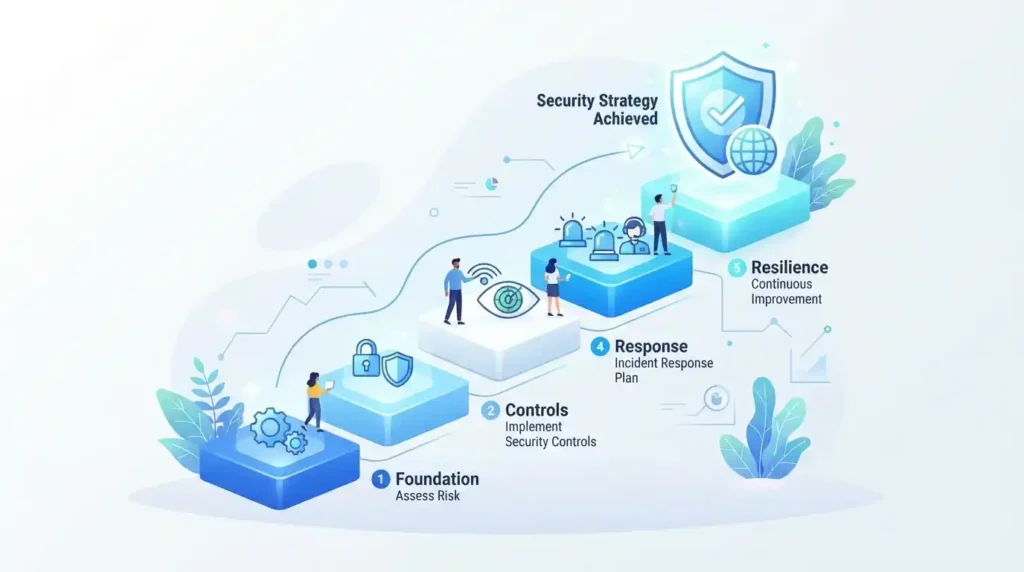
A strong security strategy always begins with a comprehensive assessment of the current state. In the case of APIs, it means compiling an extensive list of all public and internal endpoints. The inventory must be up-to-date, and the security team must understand which functions are the most sensitive and require additional testing and protection measures.
Focus on High-Value Functions
When developing an API security strategy, it is critical to focus on the functions that pose the highest risk if compromised. These endpoints typically involve:
- Personal information
- Financial data
- User account modifications
- Password resets
- Administrative functions
- Other sensitive or high-value operations
Reassess After Major Changes
A critical security update can easily be undone by a small change in the authentication logic. That is why it is essential to ensure that all APIs are thoroughly tested, even when relatively minor modifications are made. Developers must also keep in mind that new endpoints might be added, and existing functions could be altered when new features are introduced.
Do Not Forget Internal Interfaces
An API does not become significantly safer just because it is not publicly accessible. In many ways, internal interfaces are just as important as their public counterparts. They must be secured with strong authentication and authorization, and the security team must monitor them for potential weaknesses.
FAQ
What Are API Vulnerabilities?
APIs have weaknesses that could be used to gain unauthorized access to data, compromise the integrity of the service, or cause other issues. Common vulnerability types include broken access control, excessive data exposure, insufficient logging, weak authentication, unsafe third-party consumption, and others.
What Is API Security Testing?
API security testing refers to the process of identifying and addressing API-related security issues. Testing typically focuses on authentication, authorization, validation, business logic, and other aspects that could be exploited.
Is the OWASP API Security Top 10 2023 Relevant?
Yes, the standard is relevant and provides a broad overview of the most common API security issues. As of now, it is the latest iteration of the standard, with the next update planned for 2026.
How Often Should API Security Testing Be Performed?
Testing should be a continuous process that occurs throughout the development lifecycle. It should also be performed regularly after major changes to the application or APIs, particularly if they involve new features, updated authentication logic, or other significant modifications.
Can API Security Tools Find All Vulnerabilities?
No, API security tools are typically designed to identify the most common issues, but they might miss some problems. It is always necessary to supplement automated testing with manual procedures.
Why Is Authorization So Important?
Authorization defines what a user can and cannot do within an application. A user might successfully authenticate but still be limited in the functions they can perform. The issue becomes apparent when someone accesses data or performs an action they should not have permission to invoke.
Does API Security Only Apply to REST?
No, the same principles apply to other API formats, including GraphQL, gRPC, SOAP, and others. While the implementation details might be different, the core concepts of authentication, authorization, and protection apply to all types of application programming interfaces.
Conclusion
Modern applications tend to rely on interconnected services, and this creates opportunities for attacks. Developers should always ensure that their products are not exposing sensitive data through public endpoints and that the authorization logic is correctly implemented. Even if the application itself is secure, the third-party services it relies on might have serious weaknesses that compromise the entire ecosystem.
The OWASP API Security Top 10 2023 lists the most prevalent and dangerous API-specific issues. However, it should only be used as a guideline because a proper API security strategy must consider the organization’s unique requirements and threat model. Authorization issues, particularly at the object and function levels, are some of the most common problems, but other threats, such as excessive request rates and data exposure, must also be addressed.A comprehensive API security strategy includes a continuous testing process that begins with development and extends to production. It should also involve inventory management, monitoring, and other procedures that help organizations identify and respond to potential weaknesses.
Discover more from Diginatives
Subscribe to get the latest posts sent to your email.