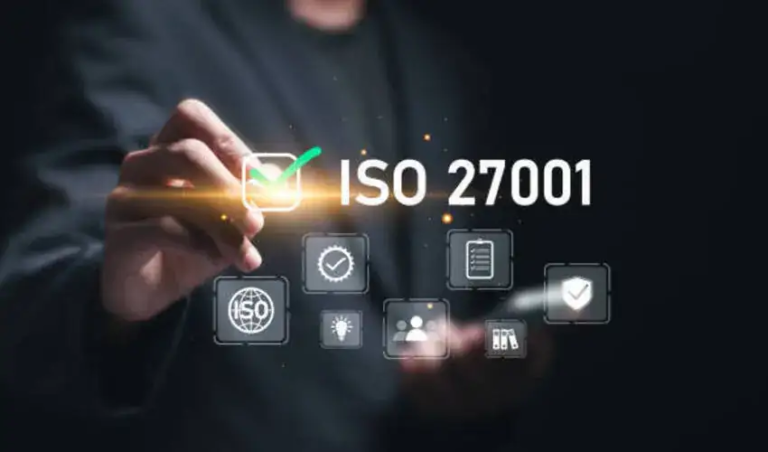
ISO 27001 is the global standard for information security management systems (ISMS), which allows organizations to handle sensitive data, mitigate risks and show their commitment to security best practices. Becoming certified ISO 27001 gives a strong message to customers, collaborators, and regulators that your organization takes data protection and strong security measures seriously.
Introduction
What Is ISO 27001?
ISO 27001 is the backbone of a systematic and organized approach for setting up, applying, keeping up with, and, still better, improving an ISMS. The little structure of the standard is made of policies, procedures, human resources, and technology that enable an organization to secure the confidentiality, integrity, and availability of its information. Contrary to a set of random security measures, ISO 27001 obliges a methodical attitude toward risk management, thus guaranteeing that no potential threats are left unidentified and unresolved.
The standard is universal for all sizes and types of organizations. From tech companies and banks to hospitals and government offices, all can benefit from it. It is particularly useful for those companies that are constantly dealing with sensitive customer data, patents, or have to comply with regulations.
Key Steps to Achieve ISO 27001 Accreditation
- Gap Analysis: Analyze the existing information security practices and determine the discrepancies in relation to the ISO 27001 standard requirements.
- Risk Assessment: Classify the risks concerning the information assets and draft the risk treatment plan.
- ISMS Implementation: Prepare the policies, controls, and procedures in accordance with the ISO 27001 standards.
- Employee Training: Make sure that the personnel are aware of the security duties and do according to the established procedures.
- Internal Audit: Perform the audits to ensure that the controls are both efficient and in compliance.
- Certification Audit: An approved certification authority assesses your ISMS and grants ISO 27001 certification after a successful evaluation.
ISO 27001 Accreditation Benefits
- Security Enhancement: Cuts down on the chances of data breaches, cyberattacks, and loss of information.
- Compliance with Regulations: Aiding in the observance of GDPR, HIPAA, and other data protection laws.
- Edge Over Competitors: Reveals the company’s reliability to customers and stakeholders.
- Efficiency in Operations: Promotes the adoption of congruent methods and the constant upgrading of services.
- Incident Readiness: Guarantees a well-organized way of reacting to security incidents.
ISO 27001 is certainly not a milestone to be reached only once. The certified entities are required to perform continual monitoring, reviewing, and improvement of their ISMS to keep the certification, hence it becomes a long-term dedication to security excellence.
AI – Powered Products. Measurable Impact.
Frequently Asked Questions (FAQs)
How long does ISO 27001 accreditation take?
Typically, preparation and certification take 6–12 months, depending on organization size and the maturity of existing processes.
Is ISO 27001 mandatory?
No, it is voluntary, but it is often required by clients, partners, or regulators in certain industries.
Can small businesses achieve ISO 27001?
Yes. ISO 27001 is scalable and can be adapted to the size and complexity of any organization.
How often must ISO 27001 be renewed?
Accreditation is valid for three years, with annual surveillance audits to ensure ongoing compliance.
Does ISO 27001 guarantee complete security?
No, it minimizes risk but does not eliminate it; ongoing monitoring and improvement are essential.
Secure your organization’s future. Begin your ISO 27001 journey today to protect sensitive information, build client trust, and gain a competitive edge in an increasingly security-conscious world.
Discover more from Diginatives
Subscribe to get the latest posts sent to your email.