
What is the Security Assessment? A security assessment is a proactive scan of your systems, networks, and processes to find weaknesses before hackers do. This guide covers every type of assessment, how the process works, and how to pick the right provider.
In this modern era, all companies have embraced technology as part of their business process to facilitate operations, communication with customers, and data storage. Organizations of different sizes, including small businesses like start-ups, multinational corporations, and other enterprises, are vulnerable to cyber threats that can cause adverse effects to the business’s operations, data, and reputation. It is critical to understand the sources of vulnerabilities to guarantee better cybersecurity protection.Security assessment services offer the best option for organizations looking to increase their cybersecurity defense mechanism since the expert conducts a scan to reveal the organization’s vulnerabilities before they are used to attack the system.
What Exactly Is a Security Assessment?
A security assessment is a proactive review of your IT infrastructure and procedures used to uncover weaknesses before attackers exploit them not a reactive response after an incident.
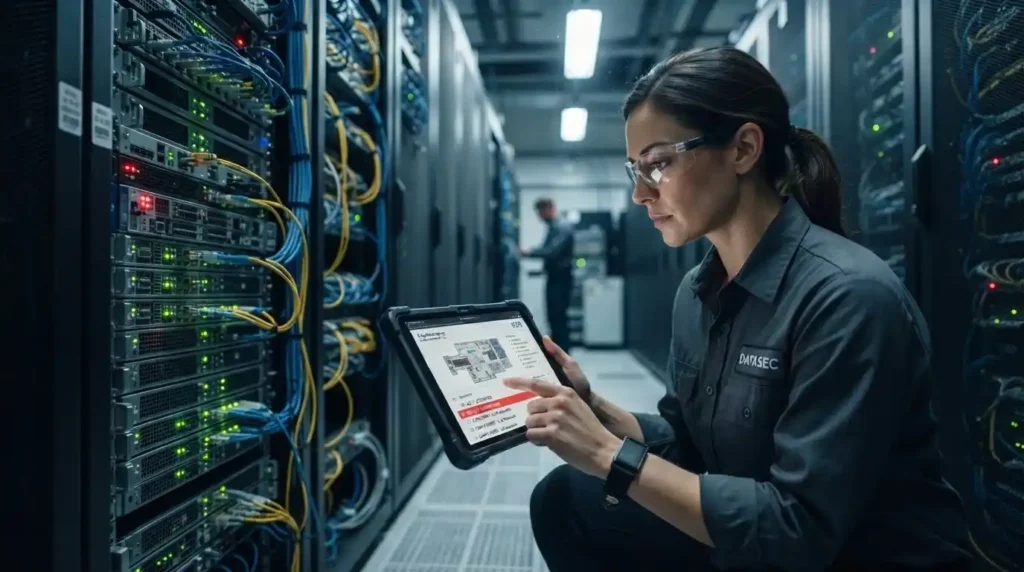
A security assessment is a process of scanning, examining, reviewing, and analyzing an organization’s information system, digital infrastructure, and procedures to identify potential security weaknesses that could be used to gain unauthorized access to the system, data, and networks.Unlike conventional cybersecurity practices that respond to a security incident, a security assessment is a proactive approach used to test the current procedures and make the organization more resilient to cyber threats. The process reveals the current state of affairs in the firm, including technical controls, human practices, and other relevant areas that might be exposed to vulnerabilities.
Why Security Assessments Matter More Than Ever
Cyber threats evolve constantly, and regular assessments catch new weaknesses early while also helping businesses meet industry compliance requirements.
Cyber threats and attacks are increasing as attackers come up with new tactics and techniques to target company data, networks, and system. Additionally, vulnerabilities are also increasing as new weaknesses are identified in the conventional security measures that organizations use to protect their systems.
Organizations must get regular security assessments to reveal the potential weaknesses that put the business at risk and address them before they are used to infiltrate the system and cause adverse effects to the organization’s operations and reputation.Besides the ability to reveal the organization’s vulnerabilities and address them, the process can also help the firm to meet the regulatory compliance requirements. Organizations operate in different industries some of which have various regulations and standards that mandate them to conduct regular assessments to ensure that the best practices are used when handling sensitive information.
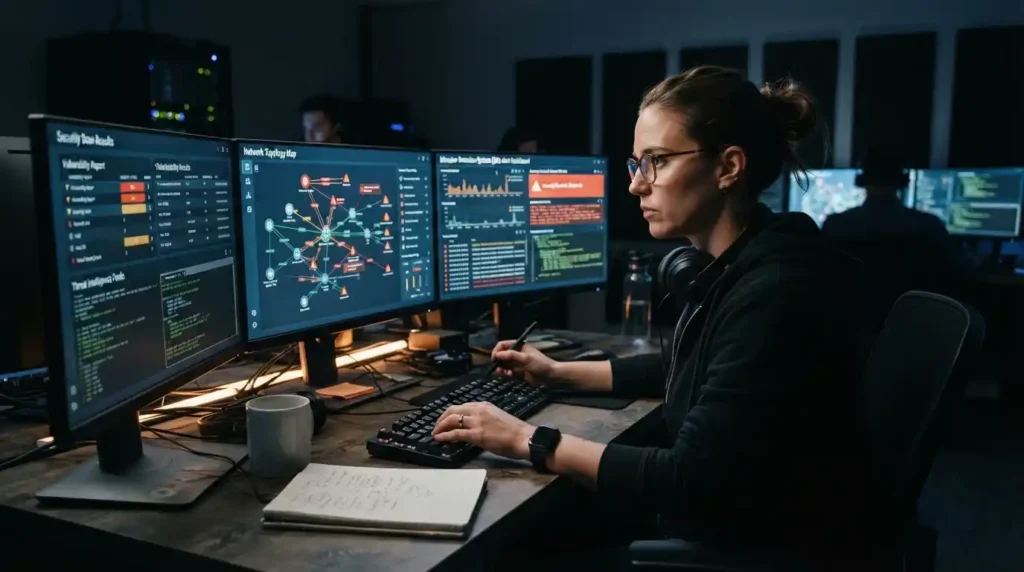
What a Security Assessment Is Actually Trying to Achieve
The core goals are finding vulnerabilities, testing existing controls, prioritizing risks, and staying compliant with industry regulations.
Some of the objectives of a security assessment include: The process enables an organization to identify the vulnerabilities present before they are used to attack the system. The process also helps a firm to review the security controls that it uses and ensure that the measures are efficient and effective in the protection of the business. Conducting a risk assessment helps the organization to prioritize the areas that it should address to enhance cybersecurity protection. The scans can help the business ensure that it meets the required regulatory compliance standards.
5 Types of Security Assessment Services You Should Know
The five main types are vulnerability assessments, penetration testing, security audits, risk assessments, and cloud security assessments — each targets a different layer of your infrastructure.

Each organization has different cybersecurity needs depending on the services that it provides and the infrastructure that it uses. The process can target different aspects of cybersecurity, depending on the area of concern. Some of the options available for a security assessment include:
Vulnerability Assessment
This scans networks, apps, and databases to detect known weaknesses using automated tools and best practices.
The assessment helps an organization to detect and evaluate the existing and potential weaknesses in its system, network, applications, database, and other areas that the experts decide to cover. The process uses vulnerability scanners and best practices to determine the weaknesses.
Penetration Testing
Ethical hackers simulate real attacks on your system to reveal exploitable vulnerabilities before criminals do.
Penetration testing is the practice of attacking a computer system to reveal the potential vulnerabilities that can be used to infiltrate the system. The process identifies the risks that an organization faces by scanning, attacking, and analyzing the results of the infiltration attempts by ethical hackers.
Security Audits
A structured review that verifies your network or system meets specific security requirements relevant to your organization.
A security audit is a process of reviewing and examining the computer network or system to verify that it satisfies certain security requirements that are relevant to the organization’s needs.
Risk Assessment
This identifies potential risks, how likely they are to occur, and how severely they’d impact the business if they happened.
Risk assessment is a process of identifying, analyzing, and evaluating the potential risk that could affect an organization, including the likelihood of occurrence, and the potential negative impacts if the business experiences the risks.
Cloud Security Assessment
This scans your cloud infrastructure and data systems to confirm they operate securely and remain accessible when needed.
A Cloud security assessment scans the business’s cloud infrastructure, data systems, and other relevant aspects to guarantee that it is operating securely. The process helps an organization to identify potential weaknesses in its approach to cloud security, including the vulnerabilities that could prevent the firm from accessing the cloud data or services when needed.
Inside the Process: How a Security Assessment Actually Works

The process runs through six phases planning, data gathering, identifying vulnerabilities, risk analysis, validation, and a final report.
The process is similar for every security assessment type that an organization wants to address, which includes vulnerability assessment, penetration testing, network assessment, and others. Here are the phases involved in conducting a security assessment:
Planning
The organization and cybersecurity expert define objectives, scope, and key systems before any testing begins.
Prior to the start of the process, an organization and the cybersecurity expert meet to discuss some of the issues that the organization wants to address. The firm will define its objectives, the scope of the project, determine the business’s key systems and infrastructure, and develop the requirements.
Data Gathering Process
Experts collect information on networks, systems, software, and accounts to understand the organization’s full setup.
After developing the scope and objectives, the next step is to gather the relevant information and data about the organization to understand its setup, which will help in conducting the assessment successfully. The cyber expert will collect the company data relating to networks, systems, applications software, systems in use, accounts, and other relevant aspects.
Identifying Vulnerabilities
Cyber experts analyze the gathered data to pinpoint actual vulnerabilities in systems and networks.
At this stage, the cyber experts will go through the findings and analyze the information that they have gathered about the organization to identify the vulnerabilities in the system and networks. At the same time, the team will also go through the weaknesses that the firm has detected from the process.
Risk Analysis and Prioritization
Vulnerabilities are ranked by likelihood, potential impact, and how easily each one can be fixed.
At this level, the cyber expert will analyze the vulnerabilities identified and rank them according to the likelihood that they will be triggered, the impact that the activation will have on the organization, and how easily the weaknesses can be addressed.
Validation of the Scan Findings
Experts verify that identified risks are real vulnerabilities and confirm the accuracy of the test findings.
At this level, the cyber expert will go through the process of verifying the risks that they have identified to ensure that they are actual vulnerabilities. Additionally, it will also be essential for the specialists to analyze and validate the test findings that were used to reveal the weaknesses.
Publishing the Report on Scan Results
The final report highlights all detected issues and explains their potential impact on business operations.
Before concluding the process, the cyber specialist will compile the report and submit it to the organization. The document will highlight the issues detected during the assessment and the implications that they will have on the firm’s operations.
What You Actually Gain From Investing in a Security Assessment

You catch small issues before they escalate, discover vulnerabilities early, and get help prioritizing fixes with limited resources.
A competent evaluation ensures that organizations do not wait for attacks to occur before addressing the gaps in their defenses. This allows them to fix minor issues before they become major ones. One of the main benefits of a security assessment is that it helps organizations discover vulnerabilities beforehand. The threats that companies face are not static but instead change over time. In addition, businesses have to adjust their technology infrastructure and staff. In some cases, these changes fail to account for all security aspects.
Besides helping detect risks early, security assessments are also a good opportunity to prioritize them. Most companies do not have unlimited resources, which means that not all weaknesses can be addressed immediately. A competent assessor will acknowledge this fact and will help an organization find the best course of action. Some issues should be resolved right away, while others might be temporarily left alone for further review.
The Most Common Security Gaps Assessments Uncover
Weak authentication and outdated software are the most frequent issues, often made worse by cloud adoption and remote work.

Many organizations encounter similar issues during assessments. Typically, they arise from the evolution of the companies and their IT infrastructure. One of the most common problems is weak authentication, which could take many forms. Some workers might use passwords that are too easy to guess, while others might share the same credentials. Most businesses acknowledge the importance of keeping their systems up to date. However, there are often applications and other software components that are overlooked.
In addition, many organizations fail to update their systems immediately after a vulnerability disclosure, leaving them exposed for much longer than necessary. This could result in attacks that disrupt business operations and cause financial losses. Modern corporations have to make adjustments to their infrastructure and business operations to accommodate the increasing use of public clouds and remote work.
How to Pick a Security Assessment Provider You Can Trust
Look for hands-on experience in your industry, recognized certifications, and a track record with the specific weaknesses relevant to your business.
A cybersecurity assessment is only useful if the organization chooses the right service provider for the task. It is important to understand what makes a company qualified, so that the business can benefit from their recommendations.First and foremost, it is crucial to look into the experience of the assessor. Ideally, they should have practical knowledge in the type of organization that one runs. Moreover, most assessors develop a unique set of weaknesses and issues that they pay particular attention to.
This could be the result of their own experiences and the cases that they encountered during their careers.It goes without saying that most respectable assessors have industry-recognized expertise, including degrees, certifications, and other qualifications. The same expertise also helps in determining the best weaknesses to look out for, which in turn reduces the overall impact that the assessment has on the business.
Where Security Assessments Are Headed Next
AI is helping assessors analyze threats faster and resolve more issues, shifting the focus from detection volume to resolution speed.
As mentioned previously, technology trends dictate the direction of the cybersecurity space, which includes security assessments. One of the main reasons why regular assessments are so important comes from the fact that companies no longer update their software on a regular basis or seek out opportunities to improve their security posture. Artificial intelligence now plays a more important role than ever, as it enables assessors to address more complex threats, analyze information faster, and reduce the number of risks in a reasonable amount of time. In other words, the focus is no longer on how many threats one can detect, but rather on how many problems one can resolve.
Frequently Asked Questions (FAQs)
What is the purpose of a security assessment?
The main goal of a security assessment is to evaluate the current security posture, determine potential risks, and help organizations improve their security practices to reduce the likelihood of attacks.
How Often Should One Consider Conducting An Assessment?
Most companies can benefit from an annual assessment. In addition, it is always a good idea to perform such scans when an organization undergoes significant technological transformations, migrates to a new cloud, updates their software, or undergoes any large-scale infrastructure improvements.
Is Vulnerability Assessment Different from Penetration Test?
A vulnerability assessment is performed to detect potential issues, whereas a penetration test aims to exploit them to determine their potential impact.
Can Small Business Benefit from These Assessments?
Without a doubt, since almost all companies encounter cybersecurity challenges. In addition, many small-scale organizations do not have sufficient resources to address every problem, which means that prioritization is required.
Will The Company Receive A Report Summarizing All Potential Weaknesses And Providing Recommendations After The Completion of The Assessment?
Yes, the client will receive a report that provides additional context on the weaknesses that were detected, along with mitigation recommendations. The next step will be to prioritize all of the identified vulnerabilities and work on resolving them.
Conclusion
Cybersecurity is no longer an optional addition to business operations, but rather a part of it. Due to the constant evolution of technology, companies must make changes to ensure that their infrastructure remains secure. This means that regular assessment and updates are now more important than ever. A competent evaluation not only helps identify potential issues but also prioritizes them, enabling an organization to resolve the most pressing problems first. In addition, it helps businesses realize the importance of cybersecurity, thereby promoting a positive company culture around the topic.
Discover more from Diginatives
Subscribe to get the latest posts sent to your email.