Customers are demanding. They are looking not only for products and services but an effective, efficient, friendly, personalized and consistent experience.
This is why CX automation is the new frontier for customer experience: harnessing the power of AI, customer information and automated work flows can reduce drudgery while accelerating and personalizing interactions.
In short, CXA is less about removing humans from the equation and more about creating capacity for people.
What Does CX Automation Mean?
Cx automation is the automation of tasks and interaction across a customer’s journey.
This could range from general questions, following up with customers, gathering information, routing, analyzing and acting on CX feedback, and even recommending products or services. Modern CXA solutions go beyond simple automation by using AI to engage customers in more intelligent, relevant and personalized dialogues, often through AI-powered chatbots that understand context rather than following rigid scripts. Powered by customer information and interaction history, these tools are able to provide contextual answers and suggestions as well as route conversations to the right agents when needed.
When a customer raises an issue about a delayed order, for example, such tools can recognize the customer, read the conversation history and supply the relevant information about the status of the order or even forward the conversation to another agent if the conversation requires more specialized attention. Customers don’t have to wait hours or days for a human to reply or resolve the problem.
Why Are Businesses Turning to Customer Experience Automation?
Modern customers are used to getting what they want, when they want it, how they want it. As compared to the days of customer service representatives being the only point of contact, today’s customers are interacting via websites, apps, live chats, emails, and social media. CX automation helps businesses streamline, shorten and personalize these interactions, offering a consistent experience across all channels.
By automating interactions and reducing human “touches”, businesses can reduce response times, increase resolution rates, provide consistent information, personalize messages, route conversations to the right people, identify needs and pain points, reduce drudgery for employees, and reduce human error in communication.
But there is often a need to ensure that a journey is suitable for automation. If a business just adds more automation without first understanding the customers’ needs, the tool can create more hurdles and confusion than it resolves.
Where Can Automation Improve the Customer Journey?
Looking at the typical customer journey, we can see several opportunities to implement automation.
1. Awareness/Discovery
When engaging with a brand for the first time, customers can have many questions before they commit to purchasing or subscribing. Cx automation tools can answer frequently asked questions, suggest related resources and even act as a guide to the right information. By understanding what the customer is looking for, automation can help reduce confusion and save customers time. Imagine a customer asking your website’s bot for help: the bot could know when to direct the customer to a relevant support page or suggest products based on what it knows about the customers’ intent.
2. Purchase/Conversion
Automation can also help businesses help customers actually buy their products and services. By guiding customers through the funnel, recommending related items, sending out reminders and messages and even suggesting the best next action, businesses can make it easier for customers to purchase. When automation knows when a customer might need more help, it can escalate the conversation to a live person. But the tools have to avoid giving information the customer does not want or need.
3. Onboarding
The journey isn’t over with the purchase: in fact, it’s just beginning. Businesses can use automation to help onboard customers with informational emails and messages, setup guides, tutorials, and even reminders. Onboarding processes are important for companies with more complex offerings, such as SaaS providers. This is also a good opportunity for companies to show customers how the company can help them and assist in maximizing the value of their purchase or subscription.
4. Support
Support is arguably the area where automation can most enhance CX: by taking over repetitive or simple requests, bots can allow humans to focus on more complex issues and concerns that need a more personal approach. Well-structured help desk automation can handle scheduling, tracking, order questions and generic complaints while humans deal with more nuanced or serious issues.
How Can AI Enhance Customer Journeys?
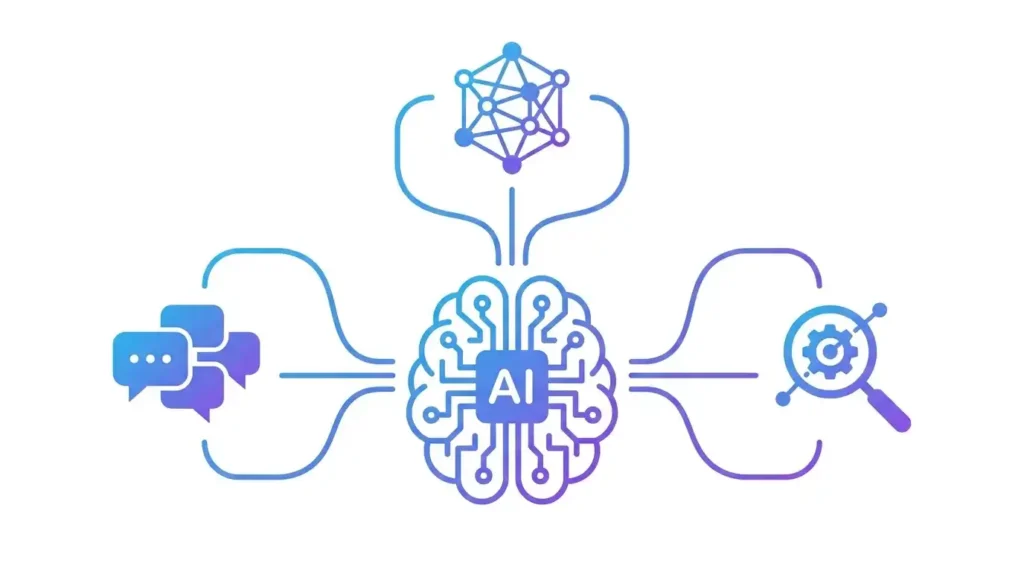
Traditional automation tools are typically based on a set of rules around which the technology was built. If X happens, do Y. Artificial intelligence enables smarter, more nuanced and powerful tools that can understand what the customer actually needs. For example, NLP (natural language processing) allows AI to better comprehend intent and meaning, improving the accuracy of answers, suggestions and context. Advanced language models like Claude can also help route conversations based not just on keywords but overall intent and even sentiment. Some AI solutions can summarize an entire conversation, allowing humans to engage with customers with greater context and avoid repeating information.
Machine Learning and Customer Intelligence
AI (particularly in the form of machine learning) can help businesses make decisions by understanding patterns in past conversations, such as who may need help, why a customer may be struggling and even what products or experiences might be relevant to a particular customer.
NLP for Customer Engagement
NLP allows AI to analyze human language, helping with intent recognition, sentiment analysis and identifying themes and topics discussed by customers.
How Can Businesses Create a Unified Omnichannel Experience?

Customers may speak to your company via live chat, email, social media, phone and more. In an ideal situation, switching between channels shouldn’t confuse or frustrate the customer. While a chatbot might have been able to resolve some queries on one channel, the same conversation may have to be repeated to an email address or another live chat representative on another channel.
Omnichannel automation refers to automating customer journeys in a way that recognizes and leverages information previously shared. Tools can also be programmed to keep conversation history consistent across channels, ensuring that a customer is not made to repeat themselves needlessly. It’s critical to ensure that information that can benefit other channels is shared across platforms. Having a customer chat to a representative and then speak to another representative in person should not mean the second person knows nothing of what was said previously.
How Can Customer Data Power More Intelligent Automations?
Data is the backbone of any successful automation strategy.
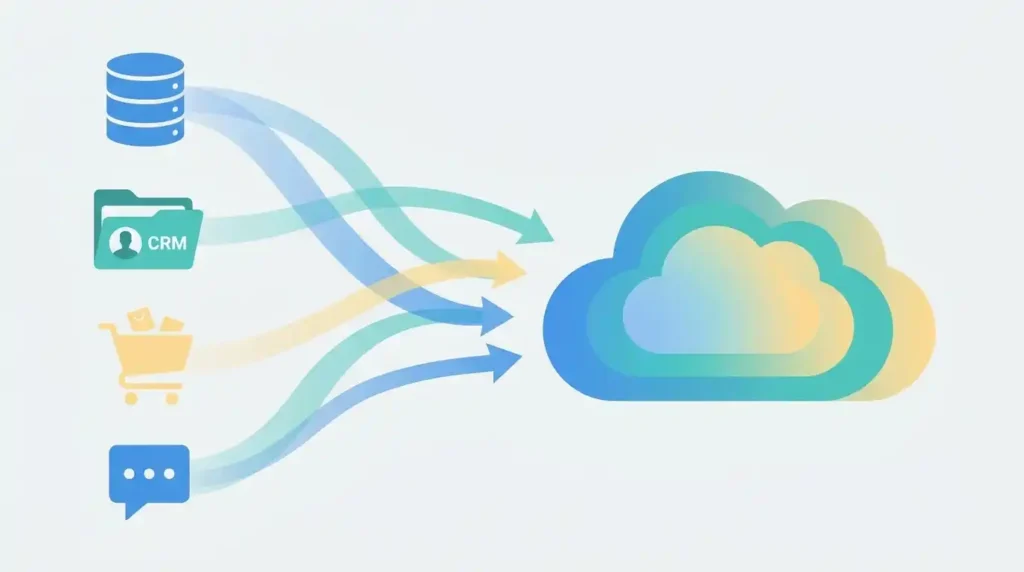
Unfortunately, different platforms and tools often require data to be fed into separate silos: a CRM, an ecommerce platform, a marketing automation tool, a support platform and more. Customers interact with businesses across multiple points, meaning their information is fragmented and difficult to gather. A CDP automation strategy focuses on bringing relevant customer information into one place so it can be easily accessed and leveraged by other platforms that need it. Armed with better information about the customers’ journey, a business can make better choices that drive improved engagement.
What Is the Role of Next Best Action AI?
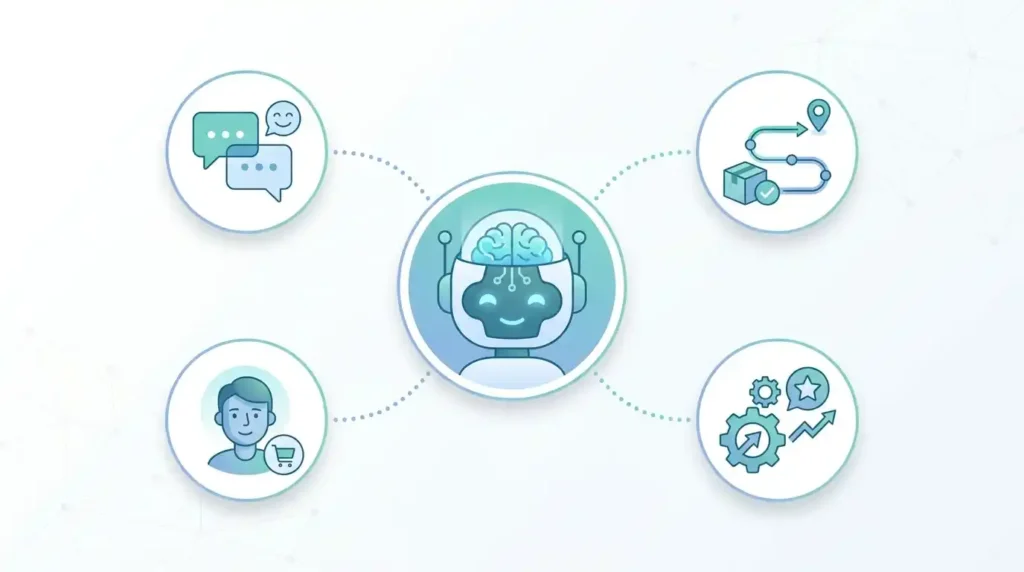
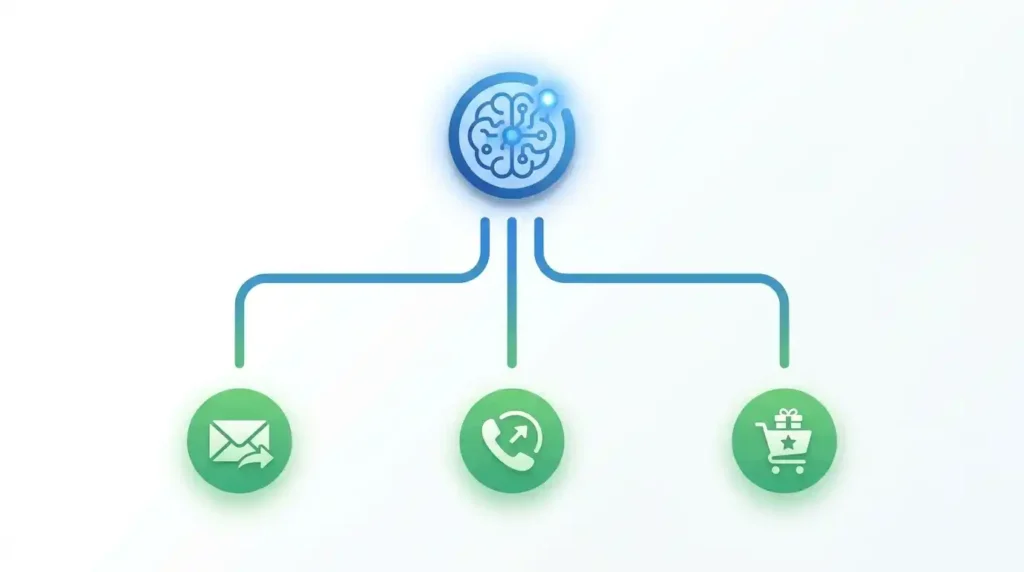
Customer engagement strategies have long been based on the concept of next best action (NBA). In other words, what should the business do after a conversation with the customer? Tools powered by AI can make it easier to implement NBA strategies, shortening the sales cycle and improving the customer experience. This kind of intelligence typically depends on custom AI model development trained on a business’s own customer data, rather than generic off-the-shelf tools.
Armed with information about the customer’s intent, preferences, pain points and even the conversation history in a particular interaction, AI can suggest or even implement the next best action, such as sharing relevant links or articles, escalating the conversation, requesting a callback, sending out a follow-up email, scheduling or reminding customers of meetings or even suggesting relevant products and services.
How Can Companies Build an Effective Strategy?
Companies need to resist the urge to automate everything.
While companies are right to look for efficiencies that improve the customer journeys without putting undue strain on employees, they should look at automations as solutions to specific problems. Here’s how to build your strategy:
1. Map Your Customer Journey
Look at the journey and identify pain points. Look at points where automation can make the interactions faster, easier and more useful for customers and employees alike.
2. Find Predictable and Repetitive Activities
These are good candidates for automation.
3. Consider High Impact/Low Effort Automations
These can often be used as proofs of concept and can be deployed relatively easily while delivering significant improvements.
4. Connect Your Platforms
A key enabler for successful automation is unifying data across platforms. The better your information about the customers, the more powerful your automation can be.
5. Make Sure Humans are Available
Not every single interaction should be automated. Customers should always have a reliable option to speak to a human being when needed.
6. Measure and Optimize
Look at metrics such as resolution time/customer effort, resolution rate, satisfaction scores, repeat contacts, conversion rates, retention, and employee time spent. These can be used to measure the impact of an automation tool and even help justify the investment.
Many businesses choose to work with experienced AI integrators to map this journey and connect the right platforms, rather than building a strategy from scratch.
The Future of CX: Collaboration Between AI and Humans

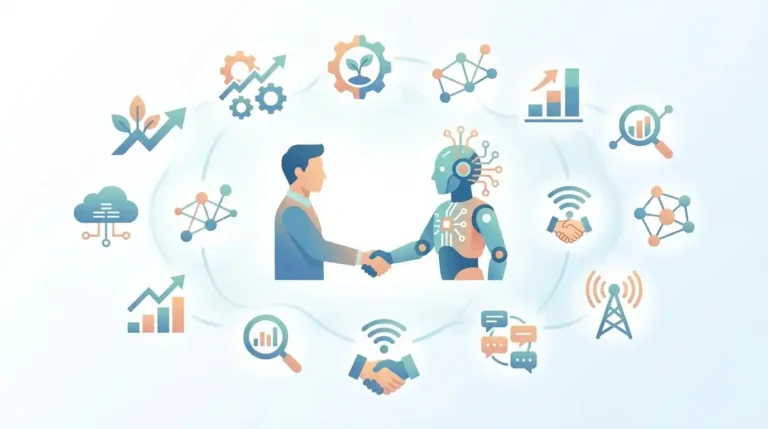
As AI technology evolves, companies should think about CX through the lens of collaboration between AI and humans. While AI can handle simple requests, analyze complex information, summarize conversations, recognize patterns, and suggest actions, humans will always be vital in providing a positive, empathetic, consistent and intelligent experience that considers nuance and individual circumstances. The goal shouldn’t be to remove humans from the equation, but rather to reduce the burden of repetitive, mundane work. Businesses should look to harness the power of AI and empower employees to do their best work.
A look at the future of CX shows that the most successful strategies will be the ones that combine technology, data and careful human oversight to anticipate customer needs, streamline processes and reduce customer effort. These companies understand that technology is only a tool, while the human experience is a vital element to building long-standing, meaningful relationships between customers and companies.
Conclusion
Cx automation can help organizations achieve more for their customers by making their jobs easier and reducing repetitive interactions. By combining the power of AI, data, automation tools and human insight, businesses can offer more personalized, consistent and efficient interactions. An effective technology strategy looks at the customer rather than the tools: companies need to identify problems to solve rather than simply buying tools. Companies need to recognize the need to automate, identify which activities to automate, connect their information and realize that human interactions are essential for many conversations.
FAQs
What is CX automation?
Cx automation uses AI, data and automation tools to automate repetitive tasks and interactions across the customer journey.
How does automation improve CX?
It can reduce wait times, provide faster answers, suggest relevant products or information and deliver a consistent experience across channels.
Isn’t a chatbot enough?
Chatbots are only one part of a larger, more comprehensive solution. In addition to simple chatbots, companies should also consider AI, automation, data, analytics, routing and escalation tools to improve the CX.
What should be automated?
Look at repetitive processes that hinder the customer journey and negatively impact employee productivity and satisfaction.
Doesn’t automation take away jobs?
While it’s true that automation can reduce the need for repetitive, mundane work, it can also reduce errors and free time for employees to focus on more challenging or nuanced interactions.
Discover more from Diginatives
Subscribe to get the latest posts sent to your email.