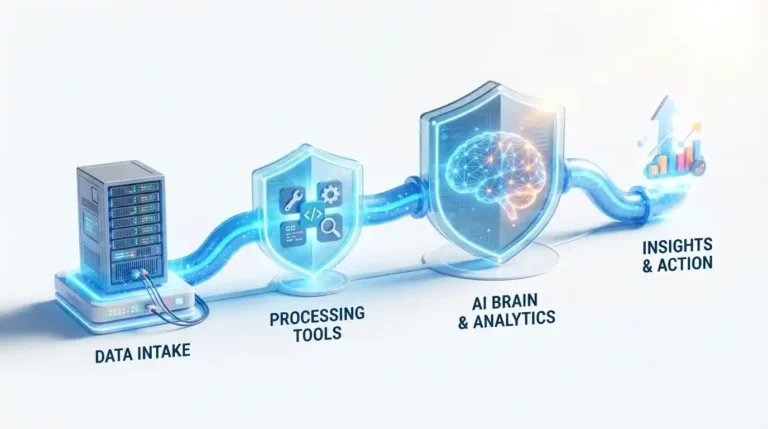
Artificial intelligence is no longer limited to standalone chatbots. Today, it is possible to create AI assistants that operate in concert with external applications, databases, API services, and business software. One of the key innovations that made this possible is the Model Context Protocol. While the Model Context Protocol dramatically extends the possibilities of using AI in business, it also introduces new security challenges. Any organization that wants to use AI-powered assistants should understand the risks and be prepared to address MCP-related threats.
What Is Model Context Protocol Security and Why Does It Matter for Enterprise AI Systems?
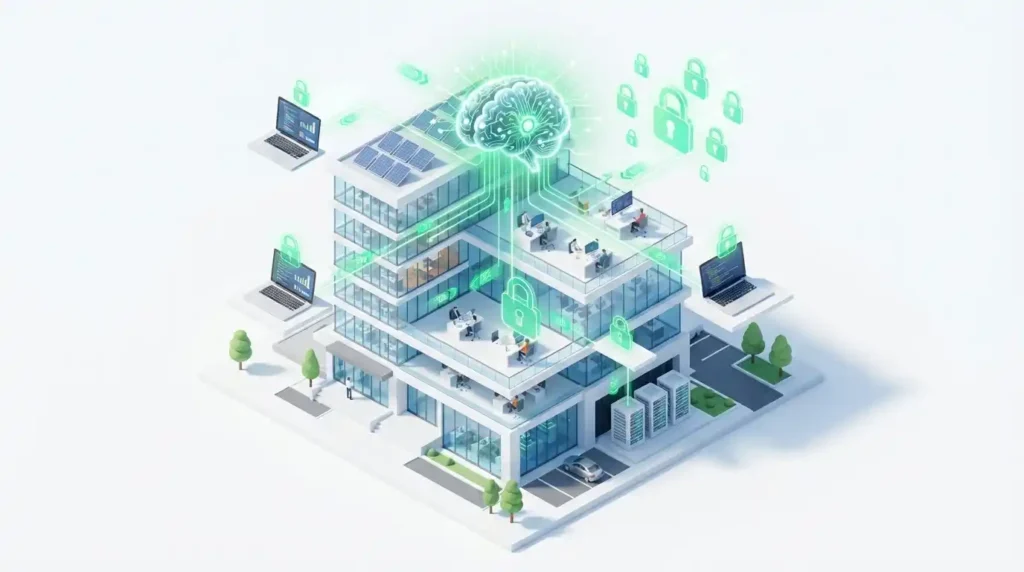
Before diving into MCP security, it is important to define what the Model Context Protocol is. Essentially, it is an open protocol that allows AI models to communicate with external resources over a shared channel. Using MCP, it becomes possible to connect AI assistants to cloud storage, databases, documentation systems, and other business applications.
For example, an AI assistant can perform the following tasks using the Model Context Protocol:
- Accessing files and documents
- Querying databases
- Executing workflows
- Searching the web
- Managing projects
- Supporting customers
The Model Context Protocol represents a major leap forward in terms of AI utility. However, it also significantly extends the attack surface. Every new business application connected to the AI assistant now represents a potential security risk. More importantly, AI models are not fail-safe. If an attacker can somehow influence the prompts, tools, or external data, they may be able to trick the AI into performing unsafe operations. As AI becomes more common in the enterprise, MCP security will become comparable to traditional application security.
Understanding the Biggest MCP Vulnerabilities and Emerging Attack Surfaces in Modern AI Environments
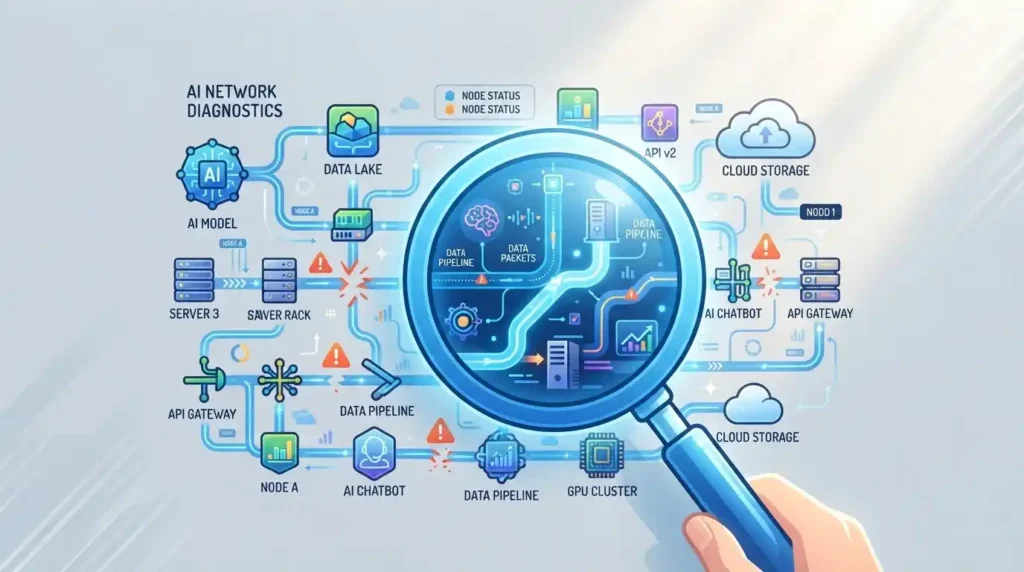
The Model Context Protocol represents a significant leap forward in terms of AI utility. However, it also exposes organizations to new types of attacks. Essentially, any tool or application that can be accessed by an AI assistant can become a potential attack vector. There are several major attack surfaces that security teams should be aware of.
- Prompt injection Prompt injection is a security issue that occurs when an attacker tricks an AI model into executing unauthorized instructions. Unauthorized prompts can be embedded in documents, web pages, emails, and other data. When the AI processes this data, it may follow the injected instructions, which can lead to data leaks or other security incidents. This risk grows further as organizations deploy autonomous, decision-making systems — a trend covered in more depth in our agentic AI security guide.
- Tool misuse One of the most common ways to abuse the Model Context Protocol is to misuse available tools. Attackers can attempt to trick the AI into calling external tools, thereby exfiltrating data or disrupting operations. This can happen if the tools have overly permissive permissions or if the prompt injection tricks the AI into calling the tools.
- MCP server misconfiguration Like any other software, MCP servers can have misconfigured security settings. This can create various vulnerabilities, such as overly permissive API endpoints, debug interfaces, or authentication mechanisms. Since many of these servers run on hosted infrastructure, the same misconfiguration risks discussed in our cloud security overview apply here as well.
- Data leaks Large language models can sometimes learn private information from training data. However, it is also possible for sensitive data to be accidentally exposed through the Model Context Protocol.
- Authentication issues Poorly configured authentication mechanisms can allow unauthorized users to access MCP servers. Modern authentication systems should use multifactor authentication mechanisms and implement strong authorization rules.
Comparing Secure MCP Implementations with Poorly Protected Deployments Across Enterprise Systems
The difference between a secure and insecure deployment often comes down to governance rather than technology.
| MCP Security Area | MCP Security Implementation | Poorly Secured MCP Implementation |
|---|---|---|
| Authentication | Strong identity verification with MFA and token validation | Weak or missing authentication |
| Tool Permissions | Tool Permissions | AI has unrestricted access |
| Prompt Handling | Prompt validation and content filtering | Blind execution of retrieved instructions |
| Monitoring | Continuous logging and anomaly detection | Minimal visibility into AI activity |
| Server Configuration | Regular security reviews and updates | Default configurations left unchanged |
| Supply chain | Trusted and verified MCP components | Unverified third-party tools integrated without review |
How AI Can Fail Due to MCP Supply Chain, Prompt Injection, and Tool Misuse Report (Assessment)?
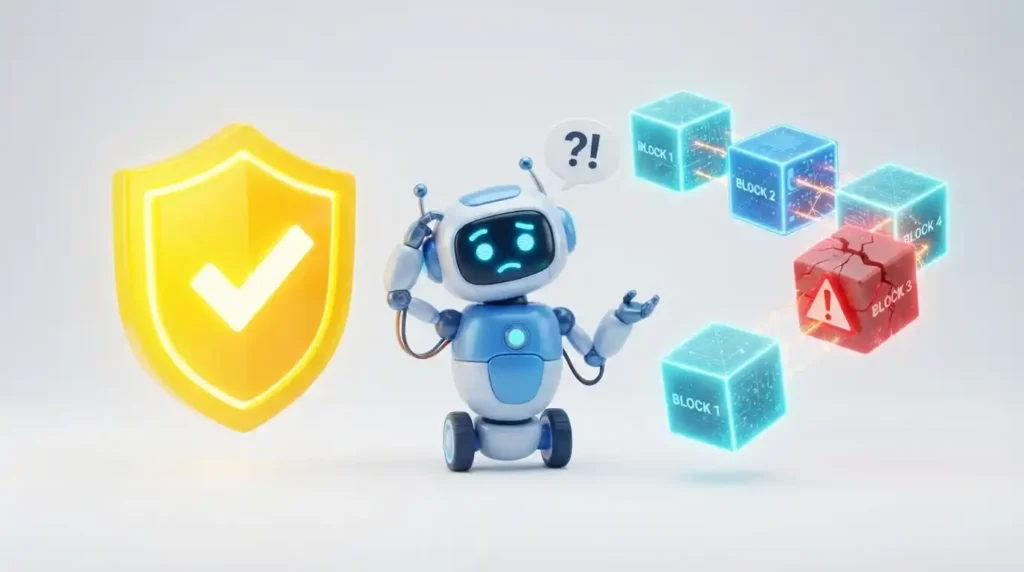
As the use of AI systems grows, so does the adoption of model context protocol or MCP. Connecting any AI system to external tools and services carries some risk. Even if a company has a highly secured environment, the presence of a third-party integration can have detrimental consequences.
Understanding MCP Security Supply Chain Risks
Software supply chain attacks are now one of the primary concerns for cybersecurity experts. The same threat is present in AI systems connected via MCP. A typical AI setup using MCP may involve various elements. Some of them may be hosted on third-party servers, while others are open-source or created by the community. All of these elements can pose a threat depending on their origin and level of security:
- External APIs
- Cloud platforms
- Community-driven tools
- Open-source connectors
- Servers hosting MCP
The more tools are used, the higher is the attack surface. If an attacker gains control over a server hosting MCP, they can alter responses from all connected assistants. Since many AI systems rely on the information provided by external tools, a compromised server can have a severe impact. Users should understand that not all MCP servers are secure by default. Just like with any other software, the security should be evaluated before trusting the server. A real-world example of how quickly a single compromised dependency can escalate is discussed in our breakdown of the AI kill switch incident.
Prompt Injection Is Still a Serious Threat
Prompt injection is the most common concern for all AI-powered systems. Unlike traditional software vulnerabilities, prompt injection focuses on model-specific features. An attacker can introduce malicious prompts to an AI conversation via various sources. The most common ones are web pages, documentation, PDF files, and email. When used in conjunction with MCP, embedded prompts can alter the behavior of an assistant.
A prompt injection can come in many forms. It can give specific instructions to an AI model or cause it to ignore all prior commands. It can also force an AI to access other tools with MCP or share private information with the attacker. Prompt injection can abuse the tool calling feature of MCP to execute unauthorized operations. While the prompt injection threat is actively mitigated by AI providers, users should still pay attention to this potential risk.
Preventing Tool Injection and Tool Misuse
Tool misuse is another critical vulnerability associated with MCP. In many cases, AI assistants are given permissions to perform certain operations. However, these operations can be abused to gain unauthorized access to a company’s data. A tool calling feature in MCP can allow an attacker to execute arbitrary code on a server. Even if the tool itself is secure, its combination with other features may lead to an unintended code execution. To prevent tool misuse, all tools must have the least privilege necessary to perform their tasks. Whenever possible, users should approve all potentially dangerous operations.
MCP Security Best Practices According to OWASP
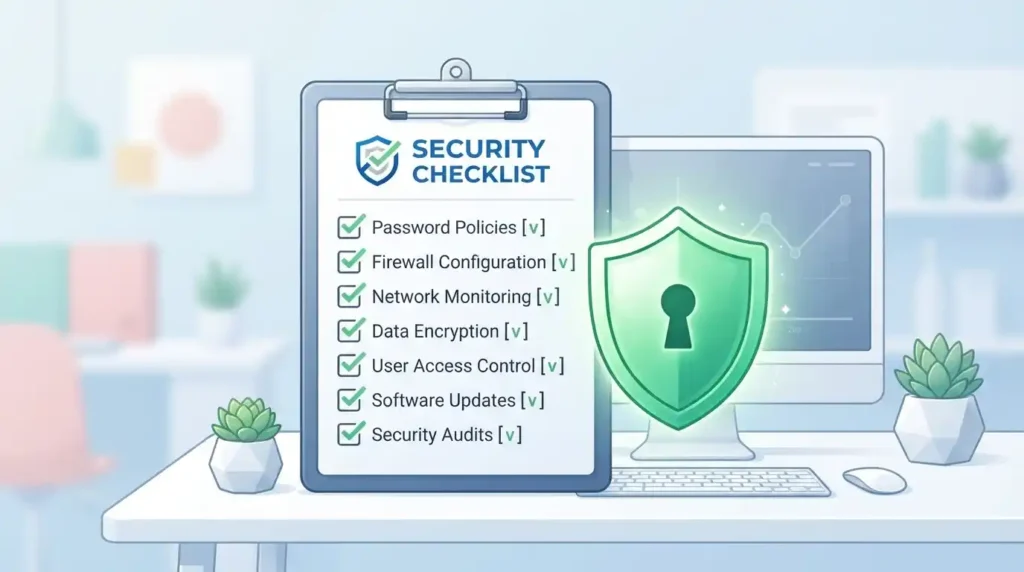
When designing secure AI systems, it is essential to use a comprehensive approach. There is no singular security measure that would prevent all potential attacks. The practices listed below can serve as an inspiration for creating a secure environment for your AI assistant.
- Adhere to the principle of least privilege : Every server, tool, or AI assistant must have the least privileges necessary for its operation. This measure alone can mitigate many potential attacks by reducing the amount of unauthorized data that can be accessed or modified.
- Verify all servers hosting MCP: Before using any new external server, check its documentation, publisher, update policy, and security practices. Conduct a thorough security assessment along with vulnerability assessments and penetration tests to ensure that it adheres to your security standards.
- Establish strong authentication procedures: Make sure that all user accounts and external integrations are using secure authentication procedures. Where appropriate, require multifactor authentication and restrict access to administrative panels. Always adhere to the least privilege principle when designing your authentication infrastructure, and align it with recognized frameworks such as SOC 2 compliance.
- Monitor all user activities : Whenever possible, ensure there are no unauthorized activities taking place in your system. In an ideal scenario, all actions taken by your AI assistant should be traceable back to a specific user. This practice allows for greater accountability and makes it easier to respond to a potential compromise.
- Ensure the secure storage of all sensitive data : Make sure that all personal information is stored securely in accordance with all relevant privacy laws and regulations. Whenever possible, encrypt the data and use secure storage solutions to prevent attacks. Always remember that data security is one of the most critical aspects of MCP security.
- Test your AI system against OWASP MCP Top 10 : The cybersecurity community is actively involved in improving AI security. The OWASP organization has released the list of Top 10 vulnerabilities affecting all AI systems. Use this informative resource to ensure your system is not susceptible to any known attacks. Running your environment through an AI red teaming framework is another effective way to validate these defenses in practice.
- Keep software up to date : Ensure all servers, applications, and tools are updated to the latest versions. Exploiting known vulnerabilities is the easiest way to compromise any system. Most of these vulnerabilities get fixed in newer versions of software. Therefore, a timely update can prevent many potential problems. For a broader governance reference point, the NIST AI Risk Management Framework offers additional guidance on managing these risks at an organizational level.
Frequently Asked Questions Regarding AI Security
What is MCP in cybersecurity?
MCP stands for Model Context Protocol. It is an open protocol allowing AI models to communicate with external tools, databases, and other applications.
Why is MCP security so important?
AI systems are used in a wide variety of applications. MCP security is vital to ensure the safe operation of these systems.
What are the most common MCP vulnerabilities?
The most common MCP vulnerabilities involve prompt injection, tool misuse, excessive permissions, server misconfiguration, authentication issues, and supply chain compromises.
How can I secure my AI system using MCP?
To secure your AI system, adhere to the standard cybersecurity practices while paying particular attention to prompt injection and tool misuse. Always use the least privilege servers, verify the integrity of all external servers, monitor all user activities, and keep all software updated.
Can prompt injection vulnerability be fully prevented?
Prompt injection is not preventable. It can only be mitigated with additional security measures. Users should ensure that their AI systems only accept prompts from trusted sources. Whenever possible, sensitive operations should require explicit user approval.
Conclusion
The growing use of AI has led to the development of new technologies and approaches to cybersecurity. Model context protocol allows AI systems to communicate with external tools, while also posing new challenges for cybersecurity professionals. A secure MCP environment requires multiple measures to ensure that all components are adequately protected. Organizations should adhere to the well-established cybersecurity practices, such as the principle of least privilege and multifactor authentication. At the same time, they should also consider the unique risks posed by MCP Security, such as prompt injection and tool misuse.
While individual tools may have adequate defense mechanisms, a major compromise can occur when several elements are combined. Tools calling features can be abused to execute unauthorized code on a server. This vulnerability is especially concerning in the context of prompt injection attacks. A combination of several security measures, including user authentication and prompt verification, is essential in such cases. By following the recommendations from OWASP and other cybersecurity firms, organizations can significantly improve their MCP security while enjoying the benefits of using AI technology.
Discover more from Diginatives
Subscribe to get the latest posts sent to your email.